Skip to content

What medicines information do HCPs need and who do they trust to deliver it? 

Results from the annual emc user survey - a first-hand look at healthcare professionals’ (HCPs’) opinions on medicines information resources over the last four years, and their needs for additional content. 

icon-logo

Background and objectives 

UK HCPs continue to be stretched under immense pressure on healthcare resources. For Pharmacists, Doctors and Nurses, making the right information available and accessible to them during their time of need should be a priority for Pharmaceutical organisations.  

The emc user survey, since 2020, has been an important tool for identifying how to best achieve this. emc (electronic medicines compendium, medicines.org.uk), has a history stretching back to 1974 and has since evolved from a printed publication into becoming the UK’s first electronic repository of medicines information in 1999. It now provides a breadth of medicine safety information such as the SmPC, PIL, RMMs, DHPCs and SRDs. 

Today, it sits on the foundations of cutting-edge innovation, while being a vital part of the healthcare ecosystem, and is used and referenced by leading organisations such as the NHS and the ABPI. With millions of HCPs and patients visiting emc annually, it has become the logical platform for finding unique insights from frequent users of medicines information. 

To learn more about what additional safety content users value most, and who they trust to deliver it, Datapharm surveyed emc users worldwide from various professions, with a large proportion coming from UK healthcare.

Key Findings:

HCPs have a clear desire for more medicines information content such as product/pack images and additional information to filter by in their search. 

There continues to be high demand for PILs in an accessible form, as well as in other languages, highlighting the importance of ePILs in a structured format. 

For Pharma, ensuring medicines information is accessible is paramount - emc has continued to be trusted by HCPs over the last 4 years as a dedicated one stop shop for medicines information.  

methodology_header

Methodology

The survey was conducted online between 3-17 December 2023. The cohort of HCP respondents all have an active interest in the importance of communicating pharmaceutical information, being doctors and nurses working in hospital settings, or pharmacists. Their submissions were entirely anonymous apart from their job function, and their participation was not incentivised in any way

Datapharm_Icon_WO_Logo1

Survey Audience

Total respondents globally= 2,266 

Total_respondents_globally_chart

Total UK respondents= 1,506 

Total_UK_respondents
icon-logo

Frequent users of medicines information 

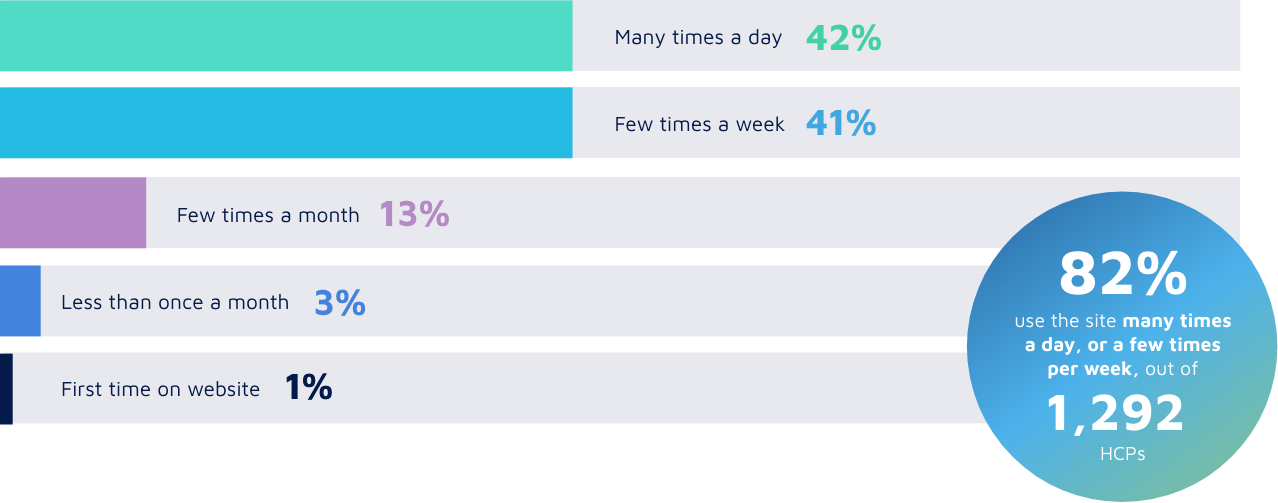
Responses show that for UK HCP respondents, the majority were frequent users (visiting emc either many times a day or a few times per day). So they are well acquainted, not only with emc, but with looking up regulated documents such as the SmPC.  

How often do you use the emc website?

UK HCPs 2023

how-often-do-you-use-website-img

Frequency of use by role

graph_doctor
graph_nurse
graph_pharmacist
graph_pharmacy

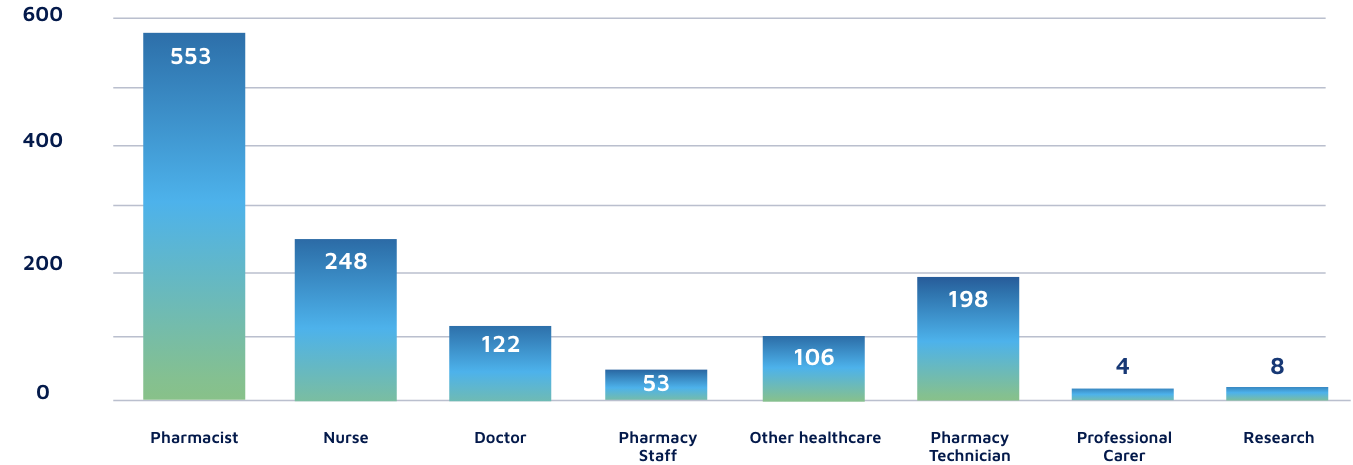
UK HCPs by role

UKHCPS-by-role

Geographic location

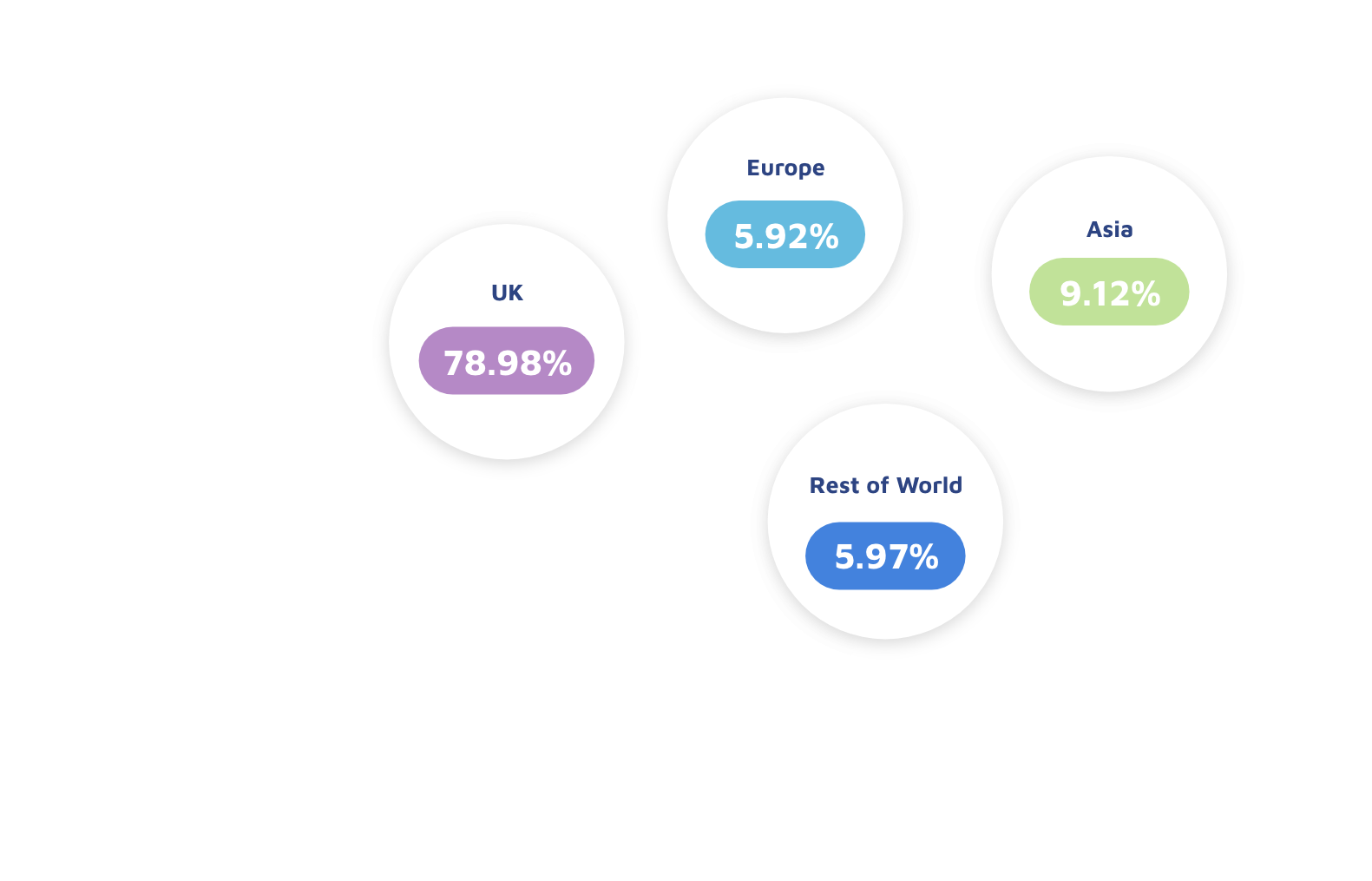
Survey respondents by region
world-map-stats-1
Datapharm_Icon_Logo1-1

emc user habits

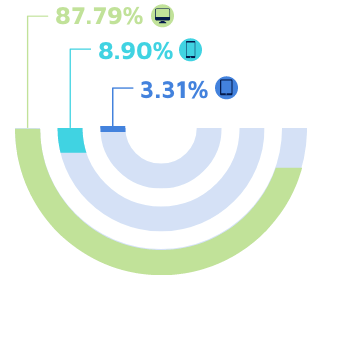
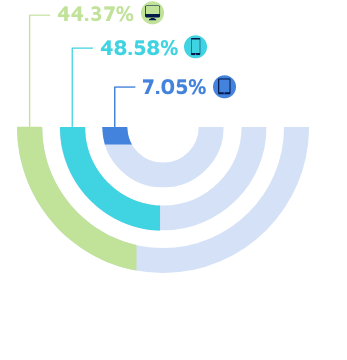
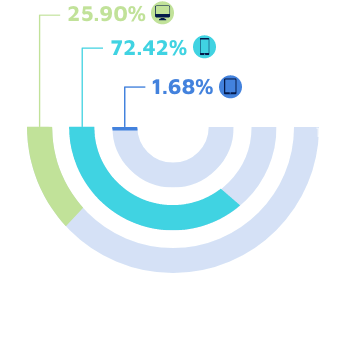
Device usage over the years

emc has long been established as a medicines information resource for HCPs and patients. Over the last decade or so, we’ve seen a transformation in how users engage with information online, which has been reflected in emc usage.

emc-user-habits-2012
emc-user-habits-2017
emc-user-habits-2023

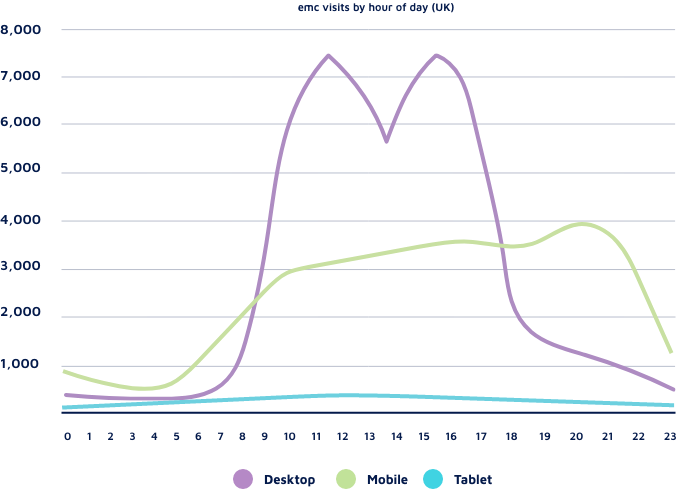
User habits on emc throughout the day

visits-by-hour-chart

HCP
More likely to use desktop device.
More likely to be office hours

Patient/Carer
More likely to use mobile device. Usage increase through the day

Datapharm_Icon_Logo1-1

UK HCPs’ desire for additional content

What additional content is most sought after in the HCP’s medicine information journey?  

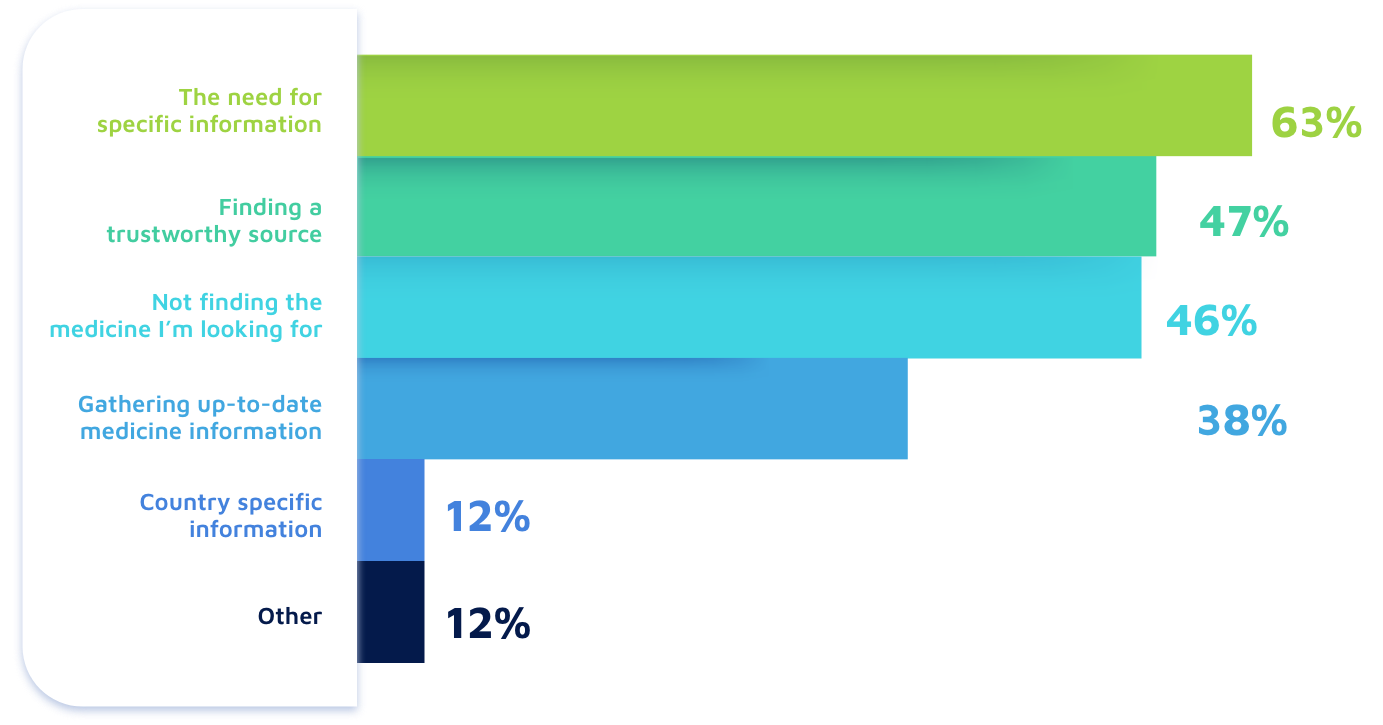
A large proportion of HCPs are looking for detail -  when asked what their biggest challenge is when finding medicines information online, 29% stated needing specific information. This further evidences how important having additional or more detailed information on medicines is to HCPs.  

gradient-line

When finding medicines information online, what is your biggest challenge?

UK HCPs

additional-content-stats

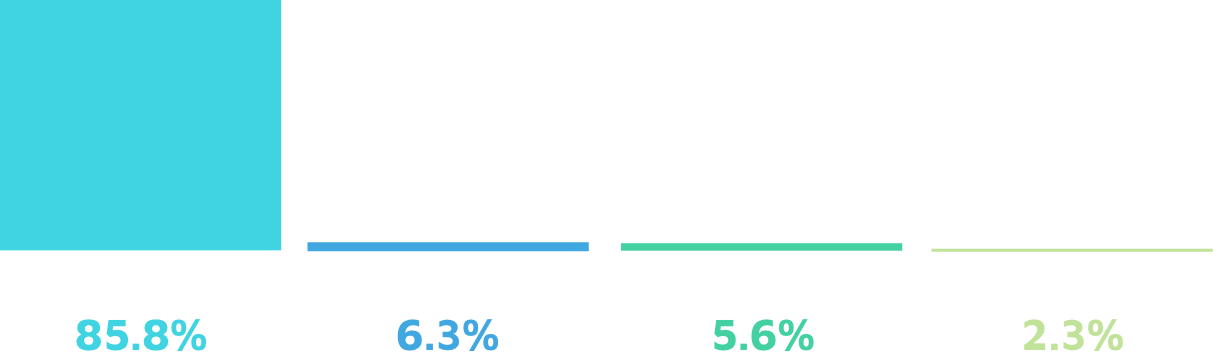
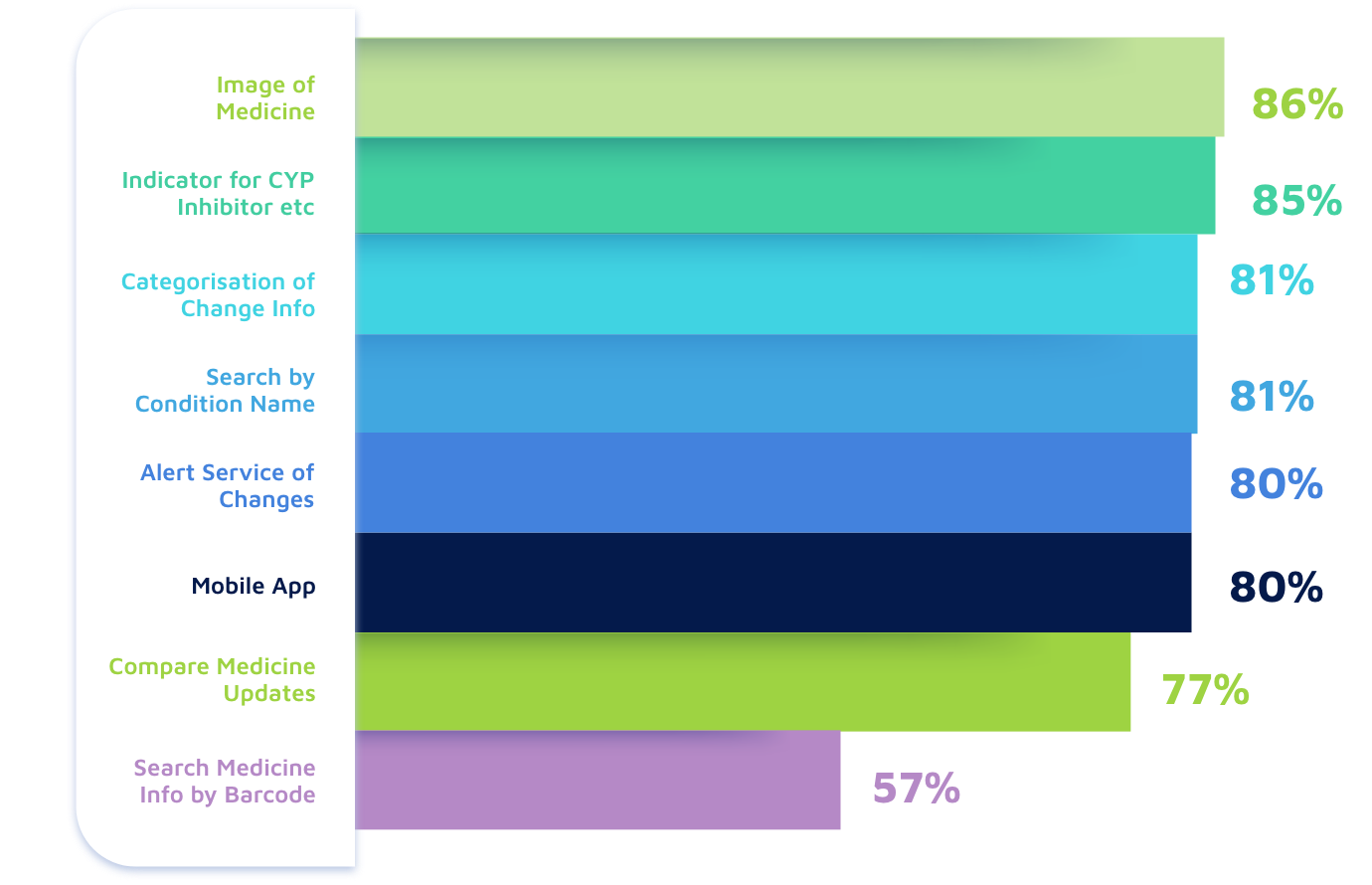
UK HCPs’ most requested feature was medicine product and pack images (86%), while indicators for CYP inhibitors was the second most requested. To highlight that learning these insights really does make a difference, product and pack images are now on the emc roadmap for 2025, while CYP inhibitor information is also being penned as a future enhancement.  

gradient-line

What additional features would you like to see on emc?

additional-features02

HCPs' other requests for content on emc 

HCPs were also asked ‘If there was one thing you could change about emc to make it better for you, what would it be?’. ‘More filtering options (gluten free, vegan friendly)’ was one of the most popular choices, and Datapharm is developing support for allergen information on emc. With a view to collecting a sufficient dataset of this information from Pharma in the future, HCPs will then be able to benefit from this additional filter when searching for medicines during their day-to-day work. 

gradient-line

If you could change one thing about emc, what would it be?

12.0%
Pack and medicines images
11.9%
Categorise medicine based on therapeutic area (condition such as diabetes or respiratory)
11.4%
Improve search functionality
11.4%

More filtering options
(gluten free, vegan friendly) 

10.5%

Additional information, such as prescribing aids
or patient information guides

Logo icon

Digital-first for patient information

The importance of ePILs to support HCPs in their patient care.

The premise of the industry adopting ePILs as standard means using a digital-first approach that caters to the habits of patients now immersed in a digital world while ensuring that those on the fringes are not left behind.

Without using an innovative approach for this information, firstly there is the risk to patient safety – in comparison with paper form, digital provides Pharma with the opportunity to distribute new information to HCPs and patients much faster. When done effectively, an update to an online regulated document can be cascaded instantaneously throughout the healthcare ecosystem, helping HCPs to make more informed treatment decisions and reducing risk to patient safety.  

Secondly, there is the environmental impact of paper leaflets by default, with an estimated 8,000 metric tonnes printed every year in the UK alone, and globally paper leaflet production estimated to generate around 500,000 tonnes of carbon dioxide annually.  

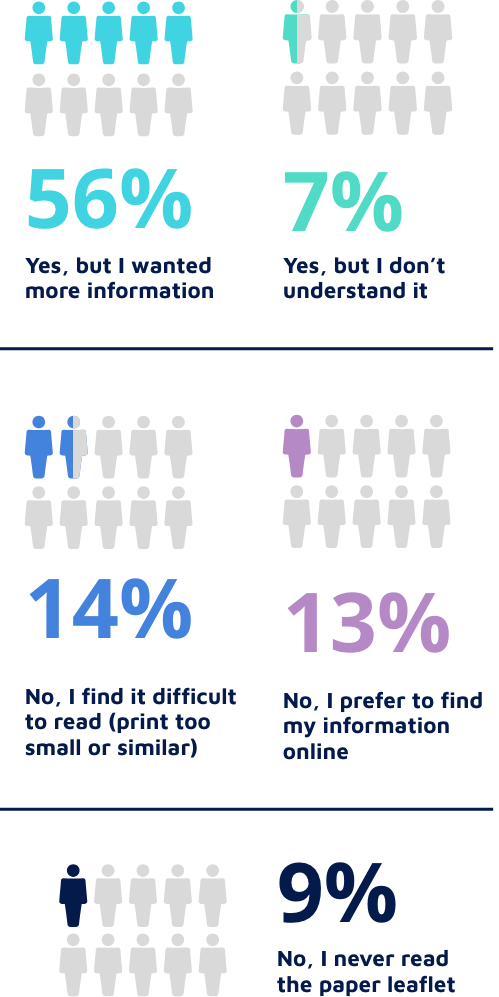
Notably, 31% of patients globally who answered the survey said they didn’t read the paper leaflet, either because it was difficult to read (13%), because they prefer their information online (11%) or they simply never read the paper leaflet (7%). 

Have you read the paper leaflet that came with your medicine?

What patients said

digital-first-info-stats
Logo icon

Supporting patient engagement through emc 

HCPs who use medicines information on a frequent basis can provide valuable insight that helps pharma contribute to improving patient engagement with medicines information. 

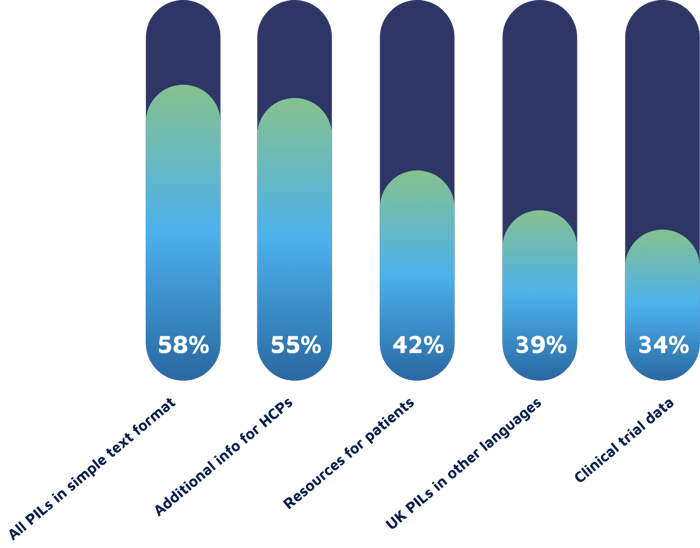
Respondents were asked to choose which content they would like to see more of on emc (with multiple answers possible). 58% of UK HCPs said they’d like to see PILs in text format, a finding that further exposes the lack of accessibility with PILs in PDF format – this format often proves challenging to read on mobile devices, lacks flexibility for displaying information and cannot take advantage of the benefits of structured product data. UK HCPs also indicated a strong desire for additional safety and educational content on emc, with 42% saying they would like more resources for patients.  

What content would you like to see more of on emc?
Top 5 choices by UK HCPs

what_content_emc_graph
Logo icon

HCPs’ level of trust in emc as a medicines information resource  

HCPs’ (both globally and in the UK) second biggest challenge when finding medicines information online was ‘finding a trustworthy source’, highlighting the importance of establishing trust when providing medicines information to these people. 

gradient-line

How has emc faired globally as an independent resource? 

The annual emc survey has been carried out for the last four years, and during this time we have been able to observe the trend in HCPs’ reliance on an independent resource.  

Outside of the UK, the level of trust in emc appears to have increased over the last few years, particularly in Africa (from 91% to 95%)  and Asia (94% to 98%). 

To what degree do you trust emc to provide medicinal information? 

HCPs, region by region

stat-africa

Africa

stat-asia

Asia


stat-europe

Europe

(excluding the UK)

stat-north-america

North America

The perception from UK HCPs: 

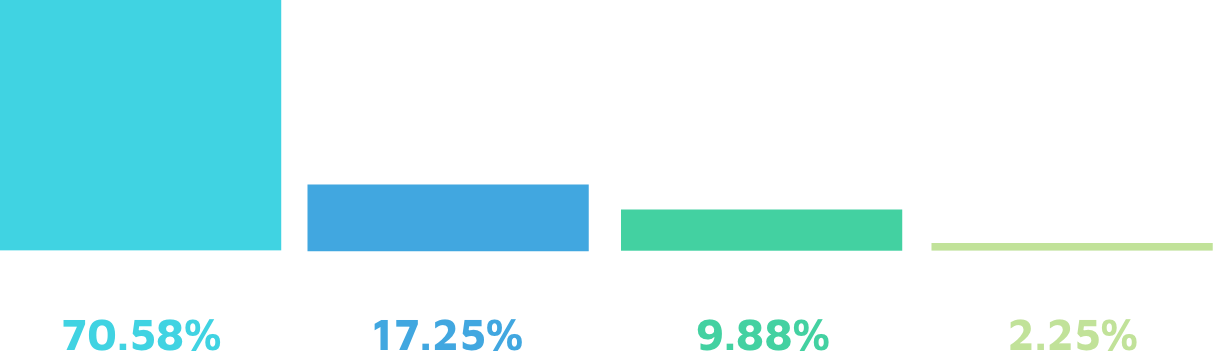
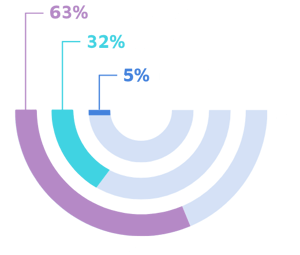
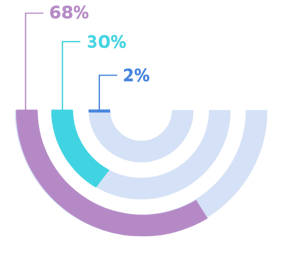
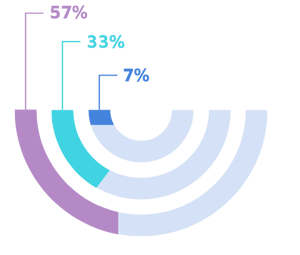
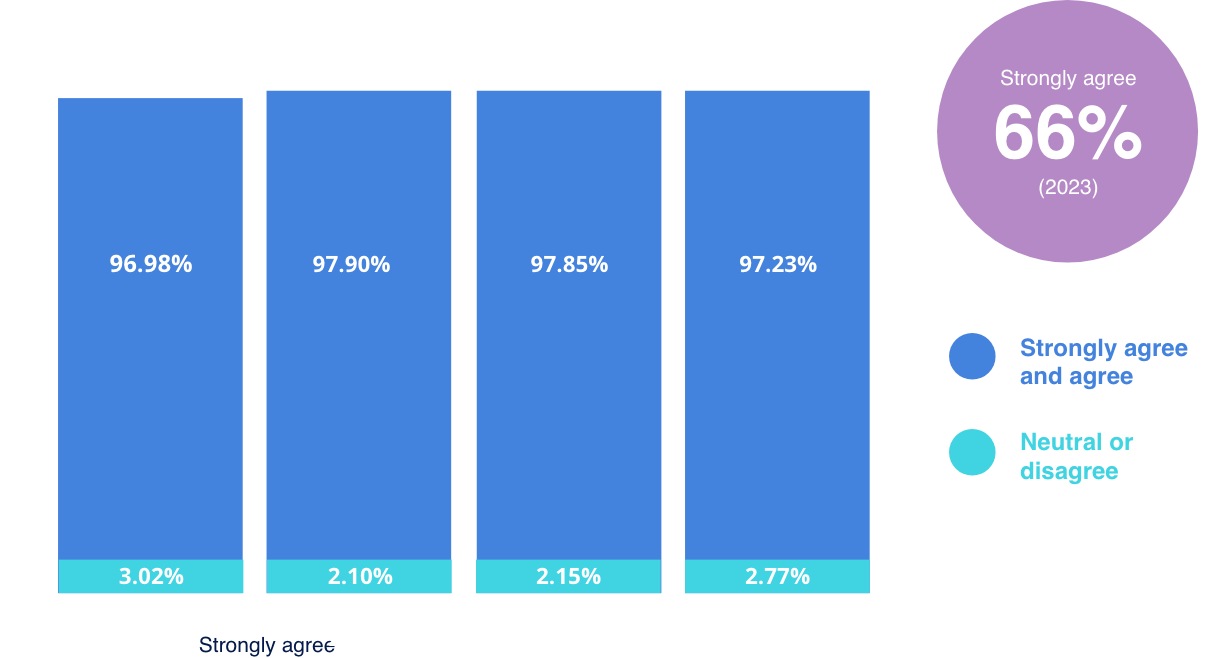
HCPs have continued to show a high level of trust in emc over the years, with 97% or more (with 1-2% neutral) over the last four years saying they trust emc to give them the ‘information that they can rely on’. 

I trust emc to give me information that I can rely on

trust_information_graph

Is emc your first choice website for medicines information?

HCPs
78%

line-white

Pharma/Commercial 
84%

line-white

Patients & Public
83%

quote-icon

It was first on the list from the search platform! 
I will use it again if I can find it easily online 
UK Nurse


Why HCPs value an independent resource 

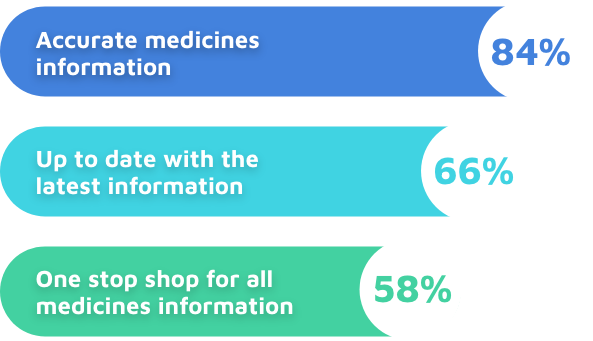
The three top factors for emc being used by HCPs were the availability of accurate medicines information (84%), showing the latest information (66%) and being a one-stop shop for all things medicines information related (58%). 

Why do you use emc to find medicines information
Top answers from UK HCPs

independant_resource_graph
quote-icon

It’s the easiest way to access current SmPCs when I need to see what information manufacturers have committed themselves to… 
UK Pharmacist 

Datapharm_Icon_WO_Logo1

Conclusion

The results have highlighted the content that HCPs desire for improving their medicines information search, while highlighting a gap in supporting the patient with information which is easily digestible and engaging for them. 

emc evidently continues to be an important channel for HCPs and a vital touchpoint for gauging their interest in different types of content. Built on the foundations of the international data standard, FHIR, it is ideally placed to deliver new forms of content conveniently and accessibly to HCPs via their preferred channel. 

As the provider of emc, Datapharm continues to listen to its users’ feedback and turn this into improved outcomes for healthcare, supporting the HCP on their medicines information search and patient treatment.  

Datapharm is adding more features for consideration on emc and its publishing platform in the future, including product and pack images, CYP inhibitors and allergen information. 

Get in touch

To learn more about engaging HCPs with accessible, up-to-date medicines information and additional safety content, please contact Datapharm’s team at: servicedesk@datapharm.com